The Most Flattering Dress Styles for Real Women
Fit, movement and the freedom to feel comfortable, rather than a set of body-shape rules.
· 4 min read · Tania Cottew
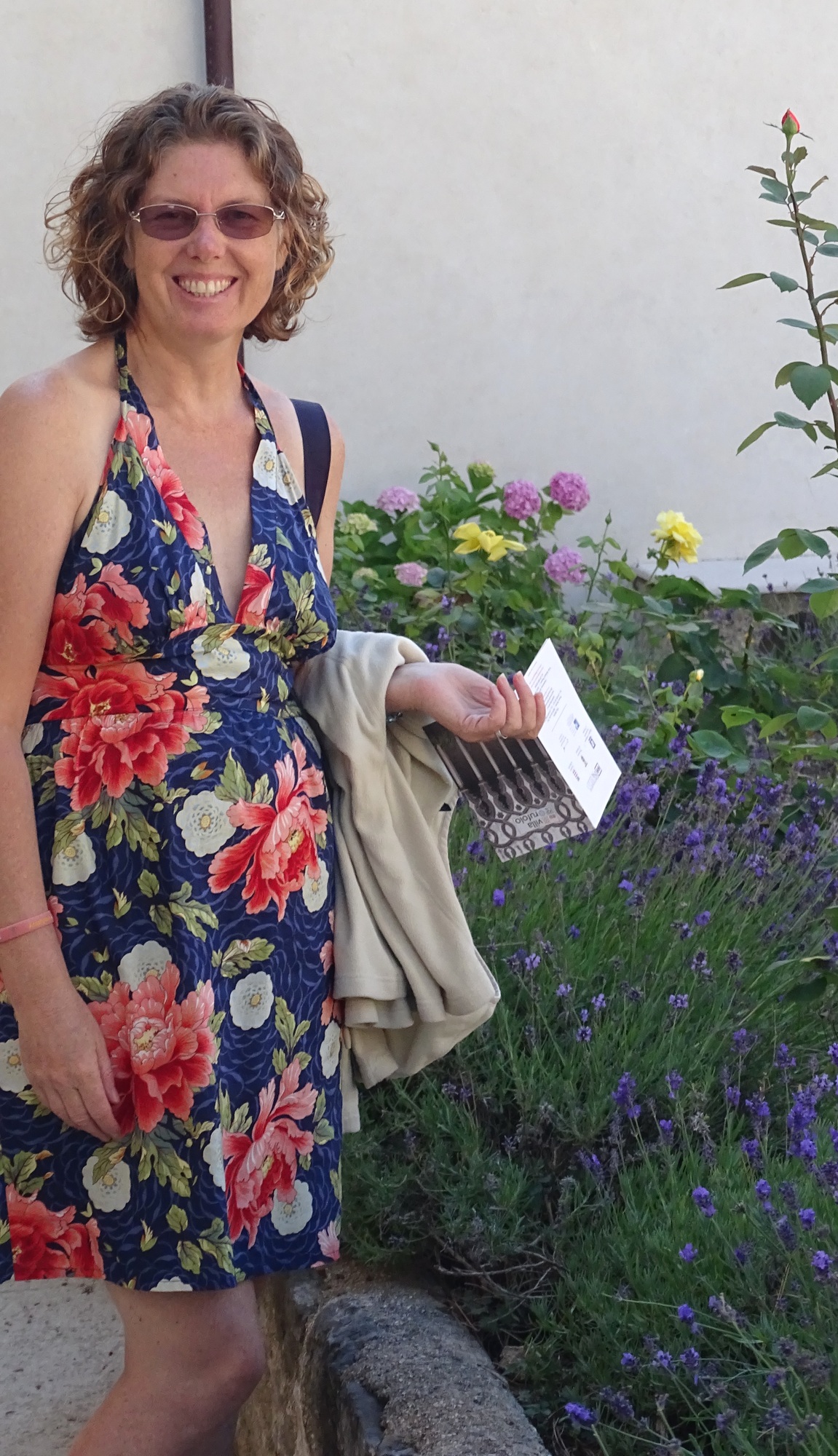
Ask me what makes a dress feel right, and my answer starts with the fit:
"When it actually fits my back from nape to waist without gaping, and has room for my bust…"
But it also needs room for movement around my middle.
I have allergies, and accidental cross-contamination when eating out can change the shape of my stomach quite dramatically. A dress that fits when I leave home needs enough ease to remain comfortable later.
That makes the usual advice about "showing off your waist" rather less useful.
The dress styles I enjoy don't necessarily define my shape tightly. They suggest it through drape, seams and soft folds, while leaving room for me to move.
Cowl necks and fabric that drapes from the shoulders
I love a cowl neckline, with the rest of the dress falling from the shoulders rather than being pulled into a fitted waist.
The interest is in the neckline and the way the fabric moves. There can still be shape, but it doesn't have to come from a belt or a tight seam around the middle.
The shoulders, back and bust still need to fit properly. Generous fabric elsewhere cannot make up for pulling across the bust or unwanted gaping at the back.
Soft pleating at the sides
A little soft pleating can hint at a waist without tightly defining it.
For me, that is a much more useful approach than adding a belt. There is only about an inch between my lowest rib and my hip bone, so I don't have much space for one.
The pleats need to have room to move, rather than being stretched flat. I want the suggestion of shape, with enough ease around my middle.
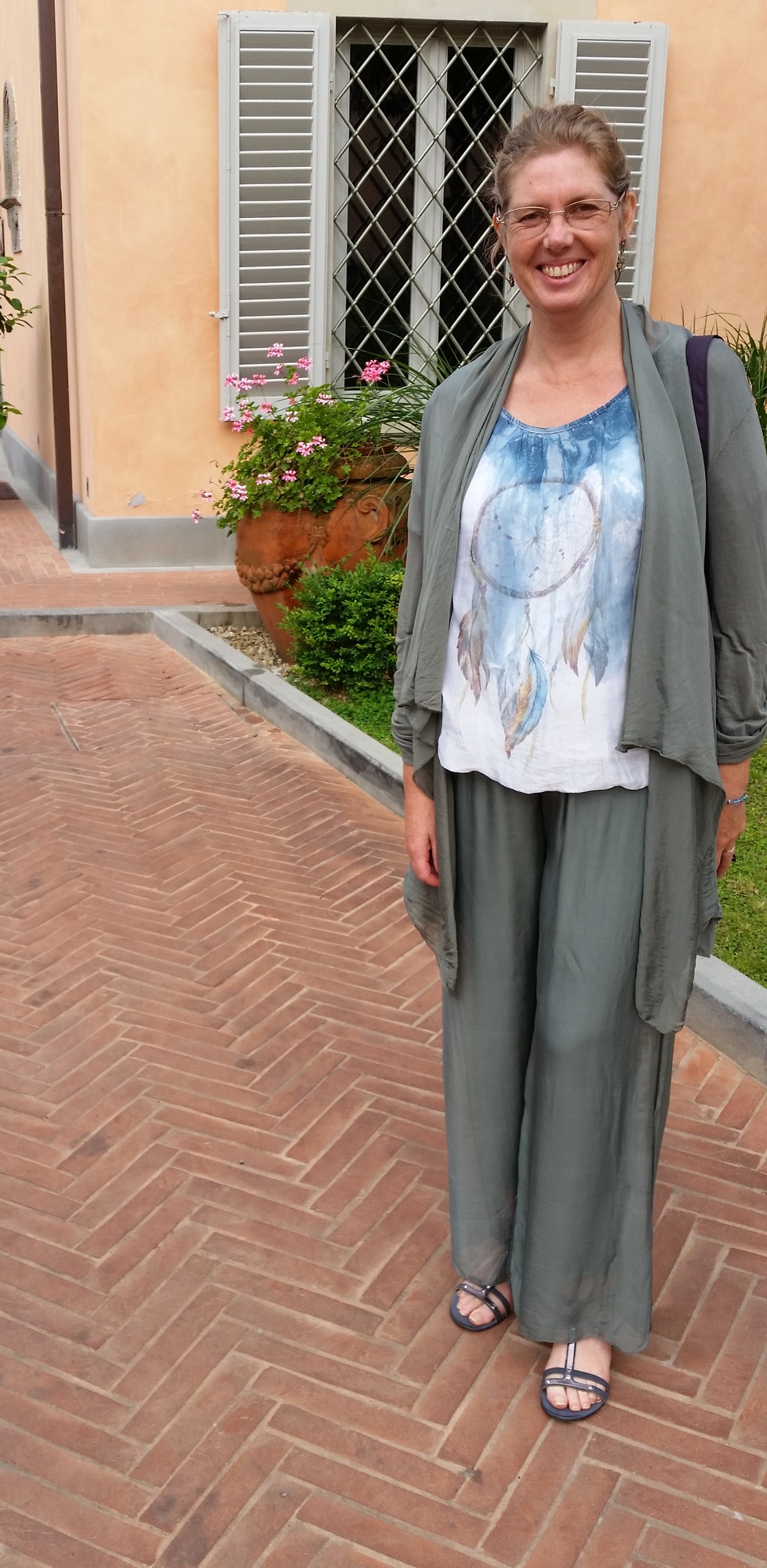
An empire line with room below the bust
An empire-line dress places its waist seam above the natural waist, usually just beneath the bust, allowing the skirt to fall from there.
That can give the middle more freedom than a fitted bodice joined to a skirt at the waist.
But the upper part still matters. There must be enough room for the bust, and the seam needs to sit comfortably beneath it rather than cutting across it. "Empire line" on the label doesn't automatically mean the fit is right.
A gently shaped princess line
Princess seams run vertically through the dress, allowing it to be shaped without needing a separate waist seam.
That makes them worth exploring when you want some definition without a bodice and skirt meeting tightly across your middle.
The key word is gently. A princess-line dress can be very fitted, too. I'm looking for shaping with ease, not a dress that follows every measurement closely.
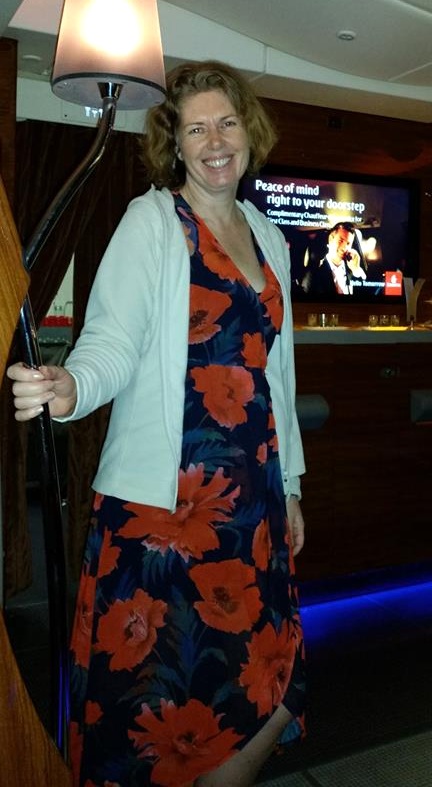
**Fit for the day you are going to have** There is no single dress style that flatters every woman. We have different proportions, preferences and practical needs. Try sitting, walking and reaching forward. Check the back as well as the front. Notice whether there is room to breathe and move, and whether the waist feels comfortable without constant adjustment. For me, the right dress fits my back, accommodates my bust and allows space around my middle. Its shape can come from soft pleating, a flowing skirt or a well-placed seam. It doesn't need to hold my body in one fixed outline to look beautiful.